The Rise of Autonomous AI Software Engineers: Agentic Coding Trends
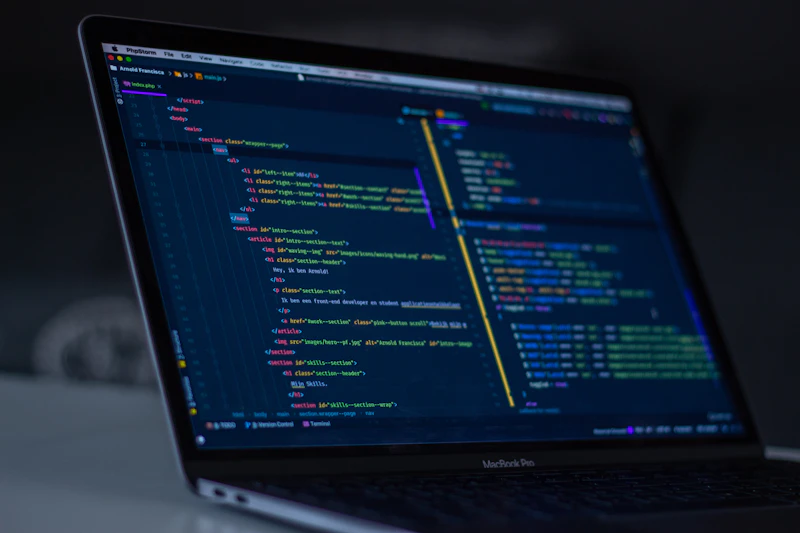
AI in software development has rapidly transitioned from inline autocomplete (like GitHub Copilot) to full-fledged autonomous coding agents. Tools now plan architectures, read multi-repository context, execute terminal commands in isolated sandboxes, and self-correct compiler errors in iterative loops.
1. From Tab-Autocomplete to Multi-File Composer IDEs
The initial wave of AI coding relied on single-file next-line suggestions. Today, AI-native IDEs like Cursor and Windsurf use entire codebase embeddings to perform multi-file edits simultaneously, modifying frontend components, API endpoints, and database schemas in a single prompt.
2. Autonomous Software Engineers & Multi-Agent Frameworks
Autonomous engineering tools are shifting developers from active typists to system architects and code reviewers:
- LangGraph: Allows engineering teams to construct cyclic state graphs where specialized agent nodes (coder, tester, reviewer) iterate until tests pass.
- Devika & ChatDev: Open-source frameworks demonstrating simulated engineering teams that breakdown feature requests into actionable milestones.
3. Secure Sandboxed Execution Environments
Running AI-generated code on bare-metal host machines creates significant security vulnerabilities. Platforms like E2B provide sub-200ms cloud micro-VM sandboxes, allowing AI agents to install packages, run tests, and execute arbitrary code safely.
Conclusion
The most productive software engineers in 2026 are not writing boilerplate by hand. They orchestrate agentic coding workflows, write comprehensive evaluation benchmarks, and let autonomous systems handle implementation details.